- HOME
- News & Column
- Asakusa Guide: Top Things to Do Near Senso-ji & the Sumida River
Asakusa Guide: Top Things to Do Near Senso-ji & the Sumida River


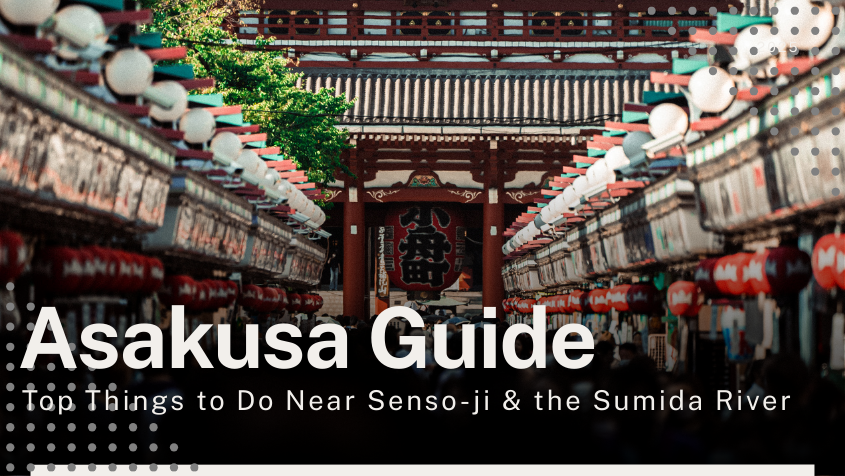
Asakusa is one of Tokyo’s most popular districts, especially known for its rich history and deep cultural atmosphere that attracts travelers from around the world. Centered around Senso-ji, famous for its iconic Kaminarimon Gate, the area offers a variety of attractions all within walking distance, including Nakamise Shopping Street, Hanayashiki Amusement Park, and scenic walking paths along the Sumida River.
While visitors can enjoy sightseeing in a district filled with traditional downtown charm, Asakusa also offers a wide range of cafés, restaurants, and convenient commercial facilities that support everyday life. This well-balanced environment makes it suitable not only for short stays but also for longer visits. Although it is a major tourist destination, Asakusa is one of the few areas in Tokyo where travelers can truly 「Live like a local」 during their stay.
In this article, we highlight must-see spots and enjoyable ways to explore the areas around Senso-ji and the Sumida River, for both first-time visitors and returning travelers.

Asakusa Guide: Asakusa at a Glance
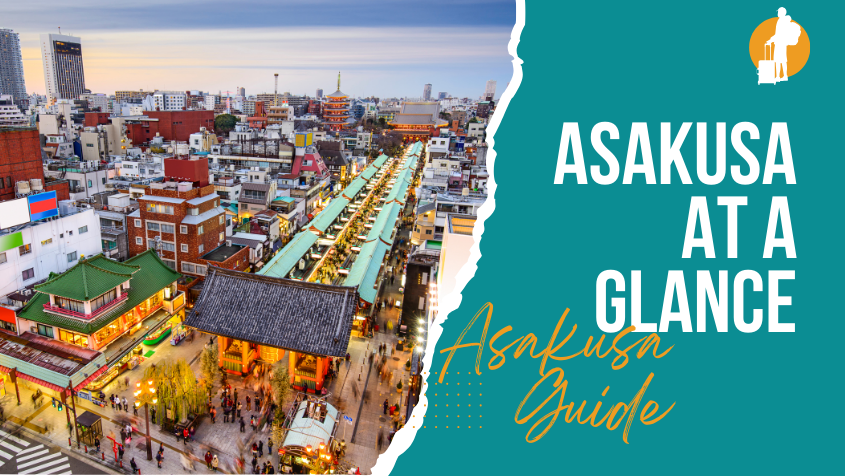
Asakusa is one of Tokyo’s leading tourist areas, located in Taito City on the eastern side of the city. The district has long flourished as a temple town centered around Senso-ji, and its streets still retain a strong sense of Edo-period charm. While famous landmarks such as Kaminarimon Gate and Nakamise Shopping Street draw large crowds, stepping just a little off the main streets reveals traditional local shops and quiet residential neighborhoods. This natural coexistence of a lively tourist area and everyday local life is one of Asakusa’s defining characteristics.
Asakusa is also highly accessible by public transport, with Tokyo Metro Ginza Line, Toei Asakusa Line, Tobu Skytree Line, and Tsukuba Express all serving the area. You can reach popular destinations such as Ginza, Ueno, Akihabara, and Tokyo Skytree with either no transfers or just a short ride. This convenient location makes Asakusa an ideal base not only for sightseeing around Tokyo but also for travelers who want to combine business and leisure during their stay.
The district is compact and easy to explore on foot, with major attractions located close to one another, making it possible to enjoy the area efficiently even with limited time. In addition, the abundance of supermarkets, drugstores, and restaurants makes daily life convenient, which is one reason why Asakusa is popular among long-term visitors as well.
Asakusa is a district that appeals to a wide range of travelers, from first-time visitors to Tokyo to those seeking a calm environment for a longer stay.
Asakusa Guide: How to Get to Senso-ji & the Sumida River
Getting to Asakusa is very easy. 「Asakusa Station」 is served by multiple train lines, and from there, Senso-ji and the areas along the Sumida River are within walking distance.
In this section, we provide a detailed guide on how to get to Senso-ji and the Sumida River.
Nearest stations and lines
・Tokyo Metro Ginza Line: Asakusa Station – convenient if coming from Ginza or Ueno
・Toei Asakusa Line: Asakusa Station – easy access from various parts of Tokyo
・Tobu Skytree Line: Asakusa Station – convenient for connecting from the Skytree area
・Tsukuba Express (TX): Asakusa Station – slightly different location from the other Asakusa stations, but still within walking distance
As a reference, it takes about a 5-minute walk from Asakusa Station on the Toei Asakusa Line to reach Senso-ji.
From the station to Kaminarimon / Senso-ji
For first-time visitors, the easiest and most straightforward route is to head toward Kaminarimon Gate and follow the flow of the crowd.
1)Head to Kaminarimon Gate
2)Walk straight along Nakamise Shopping Street
3)Continue on to reach the Senso-ji grounds
If you’re using the Toei Asakusa Line, Exit A4 is recommended, as it is closest to Kaminarimon Gate and the main sightseeing area.
Tsukuba Express (TX) Asakusa Station is located a bit farther from the other Asakusa stations, so be careful if you have luggage or are traveling with children.
Reference Article:【Easy to walk on!】A photo guide to how to get to “Sensoji Temple” from “Tsukuba Express Line Asakusa Station”! / asakusa-walker
Asakusa Guide: Top Things to Do Near Senso-ji
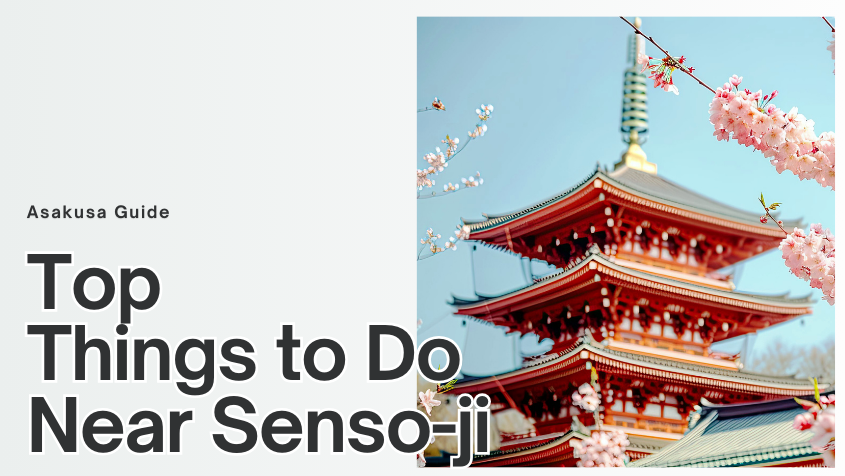
From Kaminarimon Gate through Nakamise Shopping Street to the Senso-ji grounds, the main attractions are all within walking distance, making it easy to navigate. This compact layout allows you to enjoy street food and take photos at a comfortable pace. Even amid the crowds, you can take quiet detours to places like Asakusa Shrine or the surrounding side streets for a more peaceful experience.
In this section, we highlight what to do around Senso-ji , the center of Asakusa’s main attractions.
Kaminarimon Gate
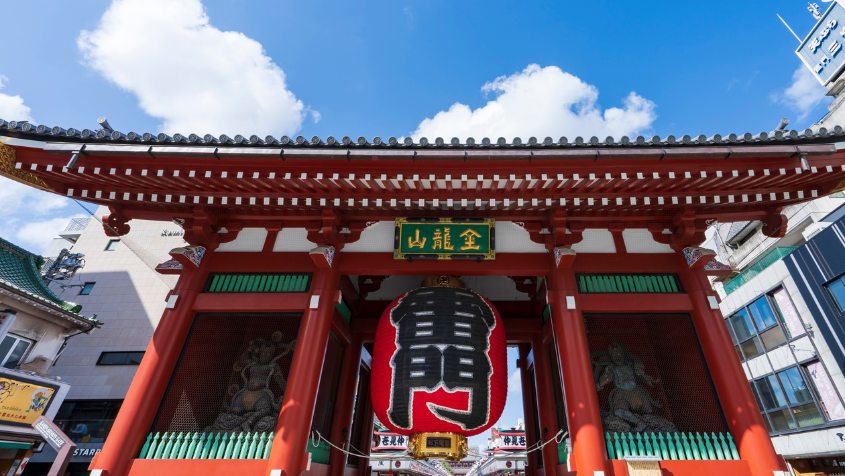
A must-see starting point for exploring Asakusa is Kaminarimon Gate. Its giant red lantern is an iconic photo spot that instantly says, 「I am in Asakusa!」 and it also makes a convenient and easy-to-find meeting point.
During the day, the crowds are constant and it can be difficult to stop in front of the gate for photos. If you want the perfect shot, early morning or late afternoon is ideal. In addition to the classic frontal shot, try photographing from behind the gate looking down Nakamise Shopping Street to capture both the depth of the approach and the lively atmosphere.
It’s beautiful during the day, but the illuminated Kaminarimon Gate at night is also stunning—definitely worth seeing if you have the chance.
【Photo Tips】
・Snap the classic front shot and also try from behind the gate for a fresh view.
・Go on weekdays or off-peak times for a calmer experience.
【Google Maps】
Senso-ji
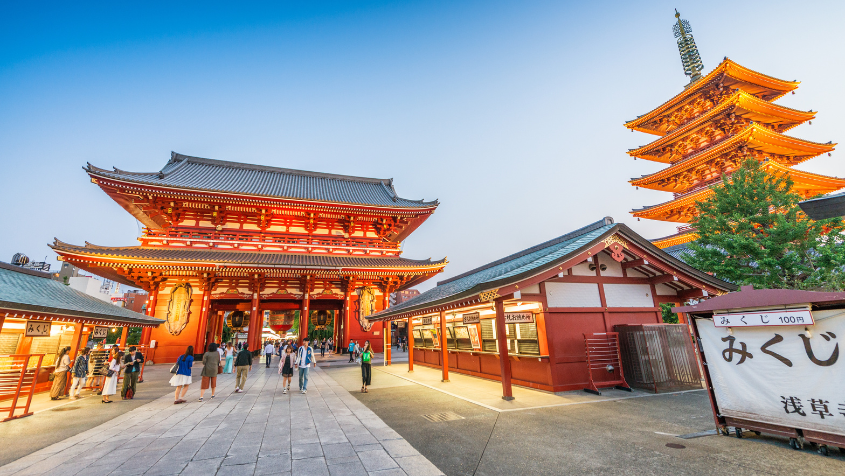
When you pass through Kaminarimon Gate and Nakamise Shopping Street, you’ll arrive at Senso-ji. As one of Tokyo’s most iconic temples, it attracts visitors from both Japan and around the world. Even if you’re not there to pray, the temple’s architecture and intricate decorations are well worth admiring.
The path through the temple grounds is very easy to follow—passing through Kaminarimon naturally leads you to the center of Senso-ji. The area around the main hall is always lively, but if you want a more relaxed experience, take a moment to pause and appreciate the temple’s architecture and decorations.
The temple grounds feature attractions such as the five-story pagoda, offering plenty of photogenic spots. When visiting, be mindful of the flow of people and follow any posted photography rules. If you plan to buy charms or draw a fortune (Omikuji), it’s best to do so after your visit to the main hall.
【Google Maps】
Nakamise Shopping Street
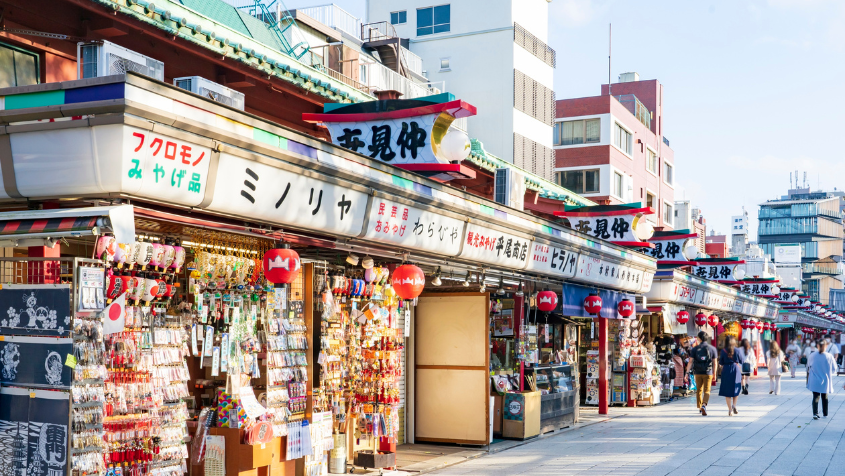
Nakamise Shopping Street is a famous shopping street that runs along the approach from Kaminarimon Gate to Senso-ji, lined with shops that are iconic of Asakusa.
The street is packed with Japanese-style souvenirs, including traditional sweets, rice crackers, fans, small crafts, and lucky charms. When sampling the street food, it’s easy to buy too much, so start with just one or two items and leave time to explore the shops that catch your eye for a more enjoyable experience.
When buying souvenirs, choose lightweight and easy-to-carry items so they don’t become a burden during your trip. During busy times, avoid stopping for too long and be mindful of the flow of people around you to stay comfortable.
【Google Maps】
Asakusa Shrine + Little Alleys and Hidden Gems
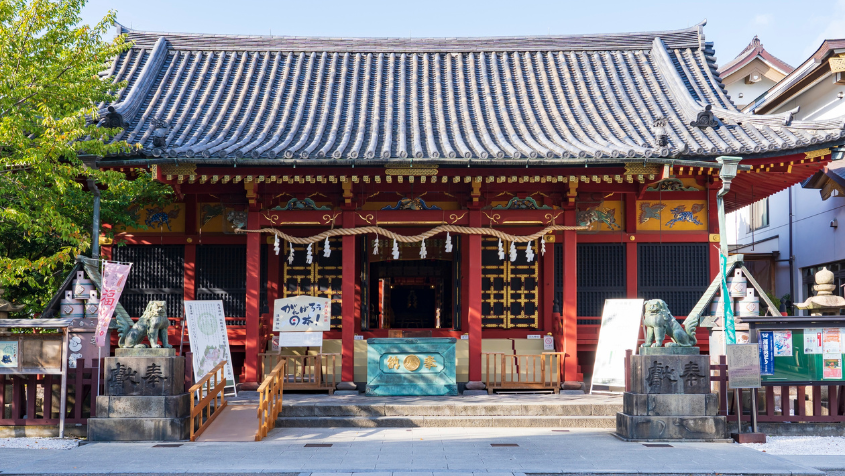
Asakusa Shrine is located right next to Senso-ji but offers a relatively calm and peaceful atmosphere. Affectionately known as Sanja-sama, the shrine is the center of the lively Sanja Festival held every May, when the entire Asakusa district comes alive.
While Senso-ji is bustling with visitors, Asakusa Shrine is a recommended spot for those seeking a quieter place to pray. Surrounded by greenery, the shrine offers a peaceful escape right in the heart of the city.
In the surrounding area, there are narrow streets, small shops, and traditional eateries that many tourists don’t know about, offering a glimpse of everyday life in Asakusa. By venturing off the main path, you can discover the local side of Asakusa that doesn’t appear in guidebooks.
【Google Maps】
Hanayashiki
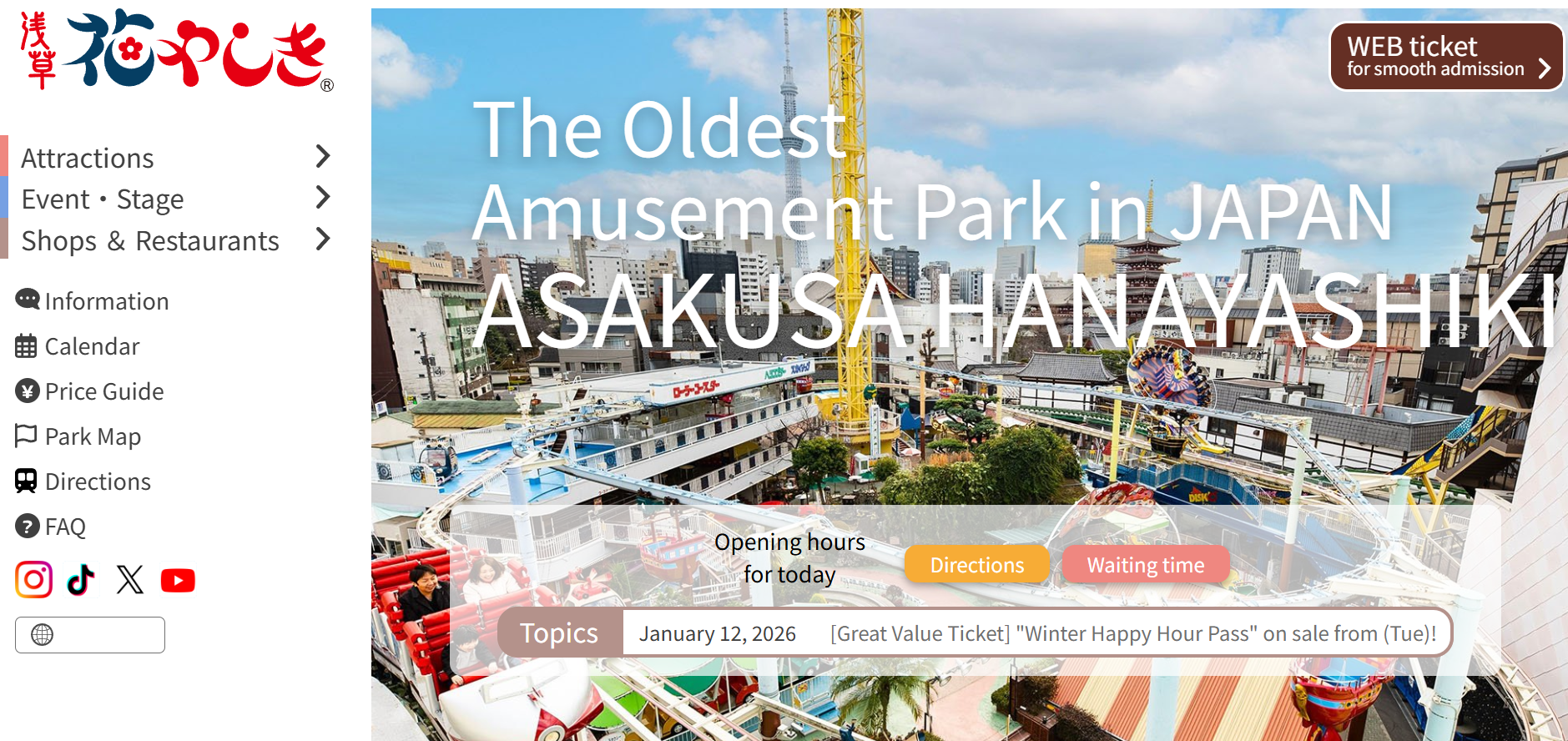
Image Source:Asakusa Hanayashiki
Hanayashiki in Asakusa, opened in 1853, is known as Japan’s oldest amusement park and is just a few minutes’ walk from Senso-ji. Despite being in the heart of the city, it retains a nostalgic, retro charm, making it a perfect spot for a casual visit during your Asakusa sightseeing.
Inside the park, you’ll find Japan’s oldest roller coaster along with a variety of traditional attractions, offering fun for visitors of all ages, from children to adults.
In recent years, Hanayashiki has added plenty of photogenic spots and exclusive merchandise. Offering a different kind of entertainment from historic Senso-ji and Nakamise Shopping Street, the park is perfect for families, couples, and anyone looking to experience a new side of Asakusa.
【Google Maps】
Asakusa Guide: Top Things to Do Along the Sumida River
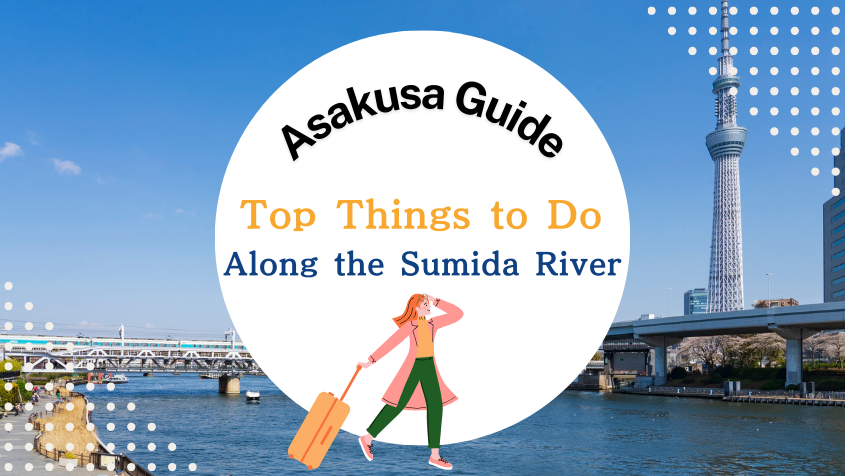
After enjoying the lively area around Senso-ji, it’s worth taking a short walk to the Sumida River. The open views and gentle river breeze offer a refreshing contrast to the busy temple streets, letting you experience a calmer side of Asakusa.
This section introduces easy ways to enjoy the Sumida River area, from riverside strolls in Sumida Park and sightseeing cruises, to seasonal highlights like cherry blossoms and evening breezes.
A riverside stroll through Sumida Park
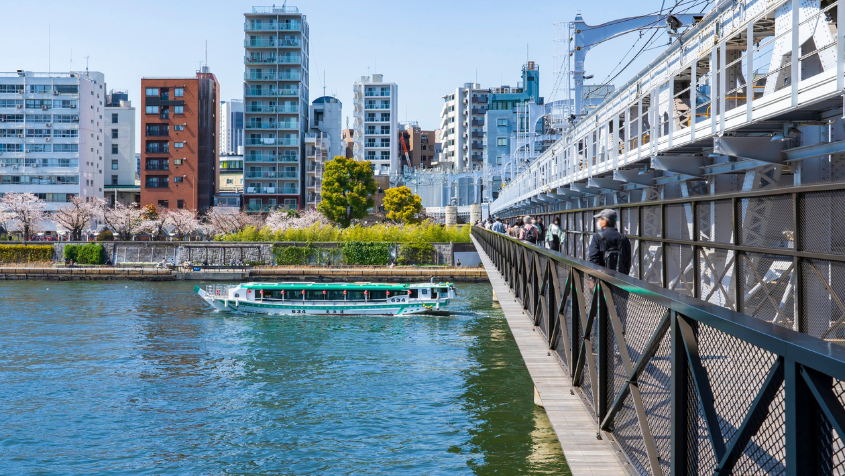
After enjoying the lively area around Senso-ji, take a short walk to the Sumida River. Sumida Park stretches along the river, with plenty of benches and open walkways—perfect for a refreshing break. The gentle river breeze helps cool you down as you stroll and unwind from the city’s bustle.
A good tip for strolling is not to overplan—just pause at spots with nice views. Reflections on the water, the silhouettes of bridges, and distant cityscapes let you appreciate Asakusa’s open spaces and enjoy a relaxed, unhurried moment.
【Google Maps】
Take a Tokyo Water Bus (Sumida river cruise)
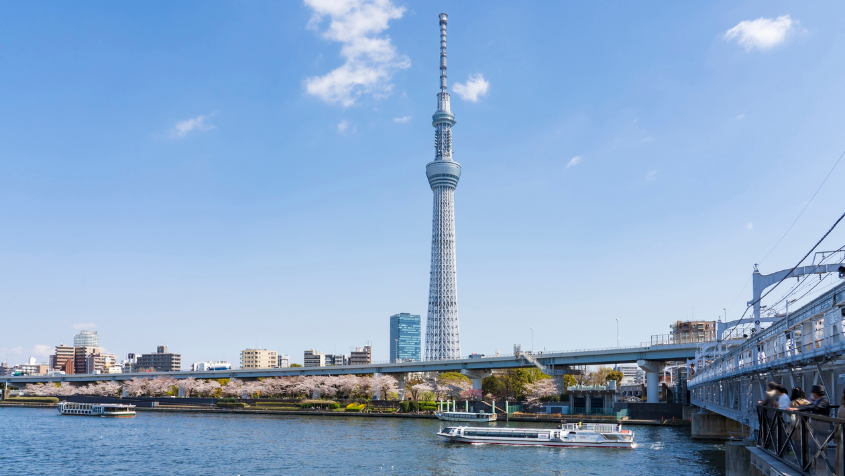
For a more immersive experience along the Sumida River, try a sightseeing cruise (Sumida River Cruise). Departing from Asakusa, these water buses offer a unique perspective of Tokyo’s cityscape that you can’t get from the shore.
Before boarding, it’s a good idea to check the day’s schedule and weather updates, as operations can change. The cruises offer seated views, making them a perfect way to relax after a long walk.
【Google Maps】
Seasonal Highlights
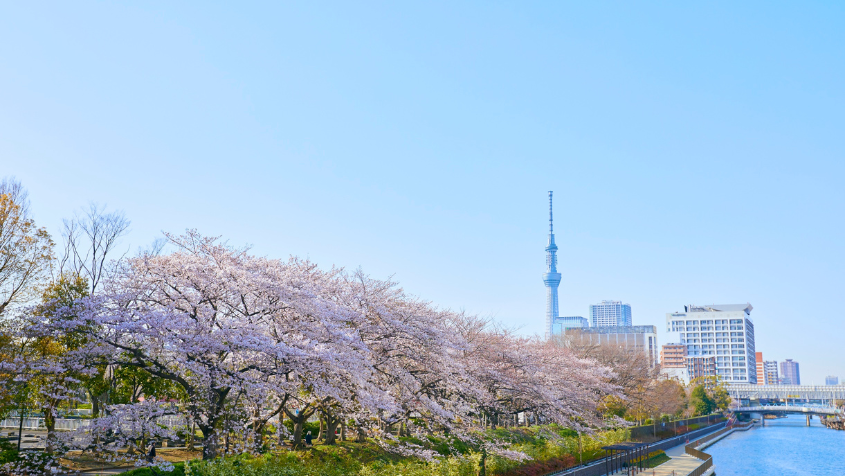
The Sumida River area also changes with the seasons. In spring, it’s famous for cherry blossoms, and a simple walk lets you experience the essence of a 「A Tokyo-like spring」
In summer, evenings are perfect for a 「Refreshing stroll」 along the river, enjoying the cool breeze after the daytime heat. In autumn, the clear air makes distant views more striking, ideal for photography. Winter’s crisp air makes night views especially clear, so even a brief visit can be very satisfying.
A tip for any season is to avoid peak times whenever possible. During cherry blossom season, late morning to early afternoon is especially crowded, so try visiting early in the morning or later in the afternoon. Having a drink and taking a few minutes to rest on a bench can also make your outing more enjoyable, so it’s a good idea to leave some small gaps in your schedule.
【Google Maps】
Asakusa Food Guide – Local Eats & Street Food
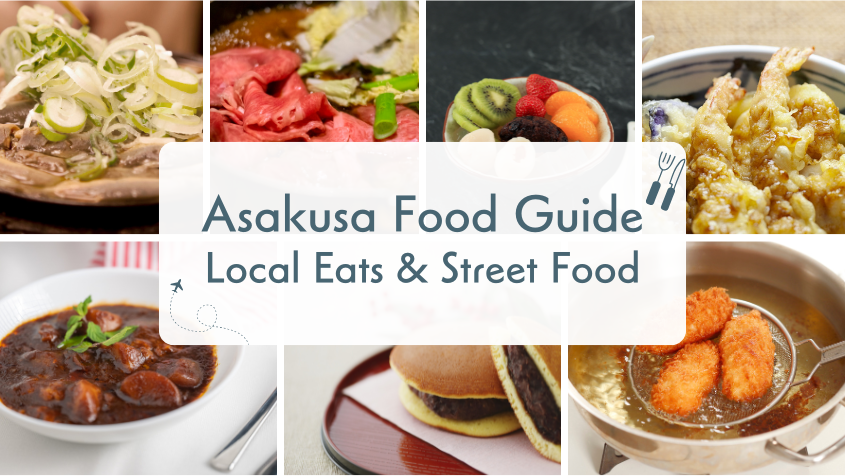
Asakusa has a long history as a lively, local neighborhood, and today it’s still home to many restaurants where you can casually enjoy 「Authentic Tokyo Cuisine.」 From long-established traditional dishes and sweets to Western-style fare, the variety is wide, making it easy to find a meal whether you’re sightseeing or staying in the area for an extended period.
This section introduces some must-try foods in Asakusa and the representative restaurants where you can enjoy them.
Komagata Dozeu
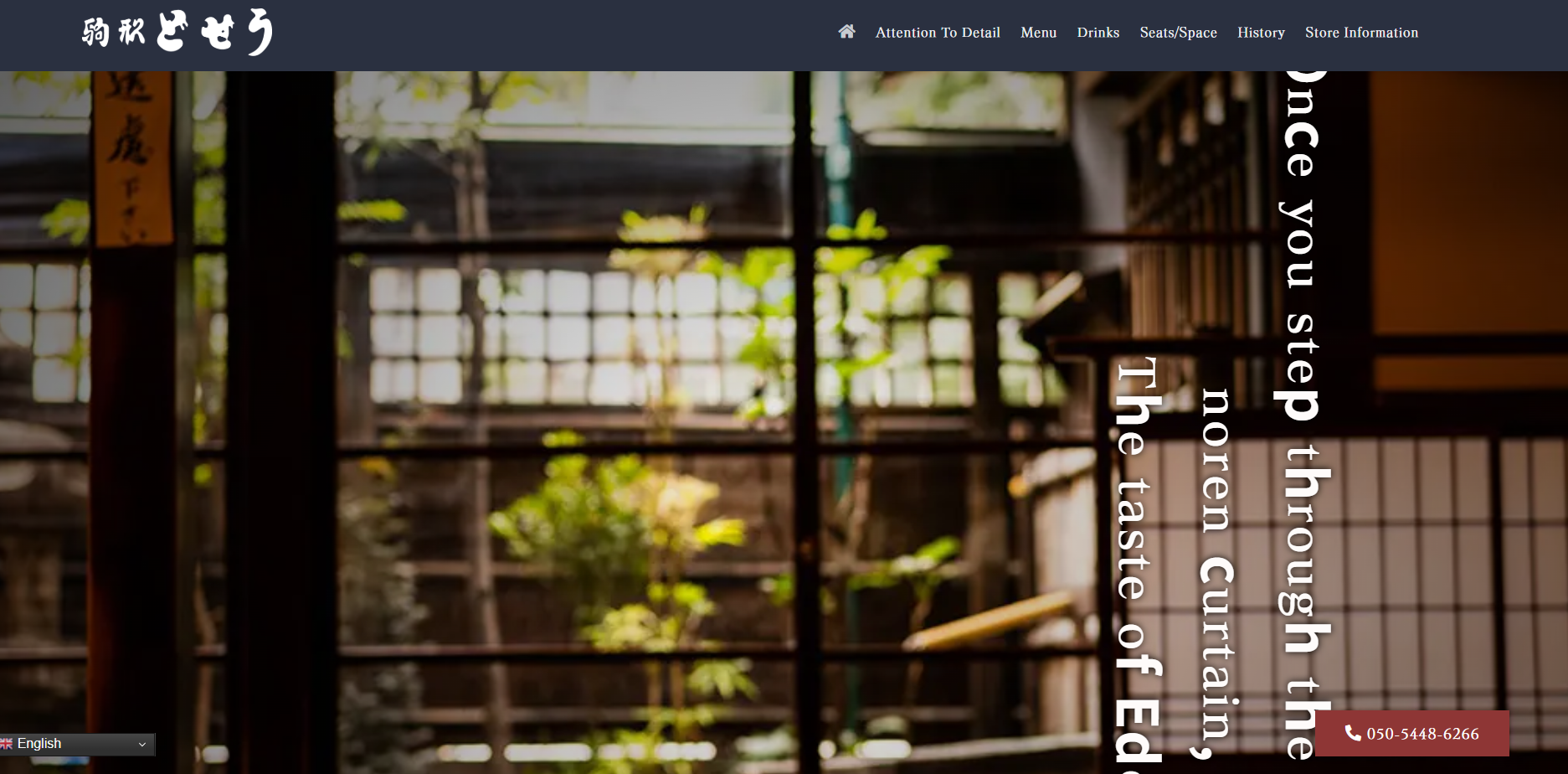
Image Source:Komagata Dozeu
Founded in 1801, 「Komagata Dozeu」 is a historic restaurant representing Asakusa. Its signature dish, the Dozeu nabe (loach hotpot), features whole loaches simmered in a sweet and savory sauce, offering a rich and comforting flavor. It’s easy to try even for first-timers and is a great place to experience Asakusa’s food culture.
【Google Maps】
Dozeu Iidaya
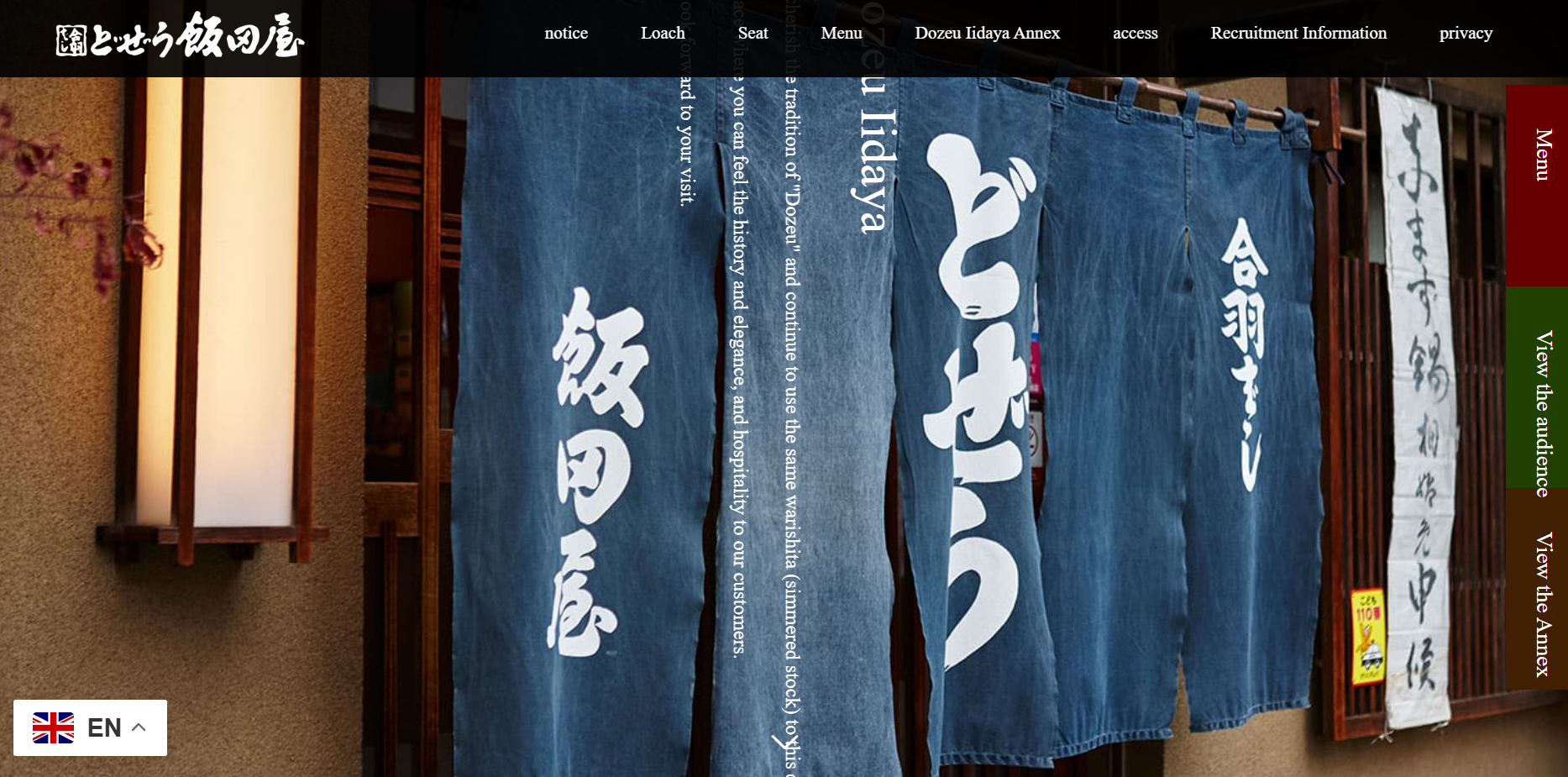
「Dozeu Iidaya」, known for its Yanagawa nabe, serves loach simmered with eggs for a gentle, comforting flavor. It’s approachable even for first-time diners, and the calm interior makes it perfect for a relaxed meal. It’s perfect for those who want to enjoy Asakusa’s local cuisine without any pressure.
【Google Maps】
Yonekyu Honten
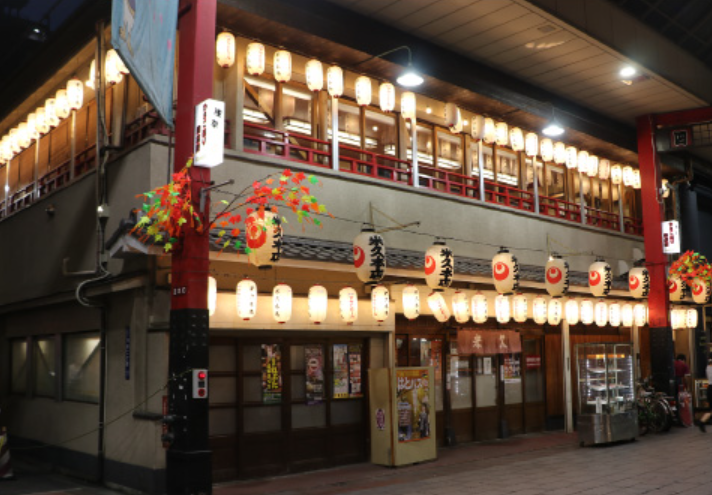
Image Source:Yonekyu Honten(Asakusa Hisago street)
「Yonekyu Honten」, founded in the Meiji Era, is a long-established sukiyaki restaurant. Their sukiyaki, made with high-quality beef and a secret sauce, is highly praised both in Japan and abroad. It’s a perfect choice for a special meal or when you want to enjoy a touch of luxury in Asakusa.
【Google Maps】
Daikokuya Tempura
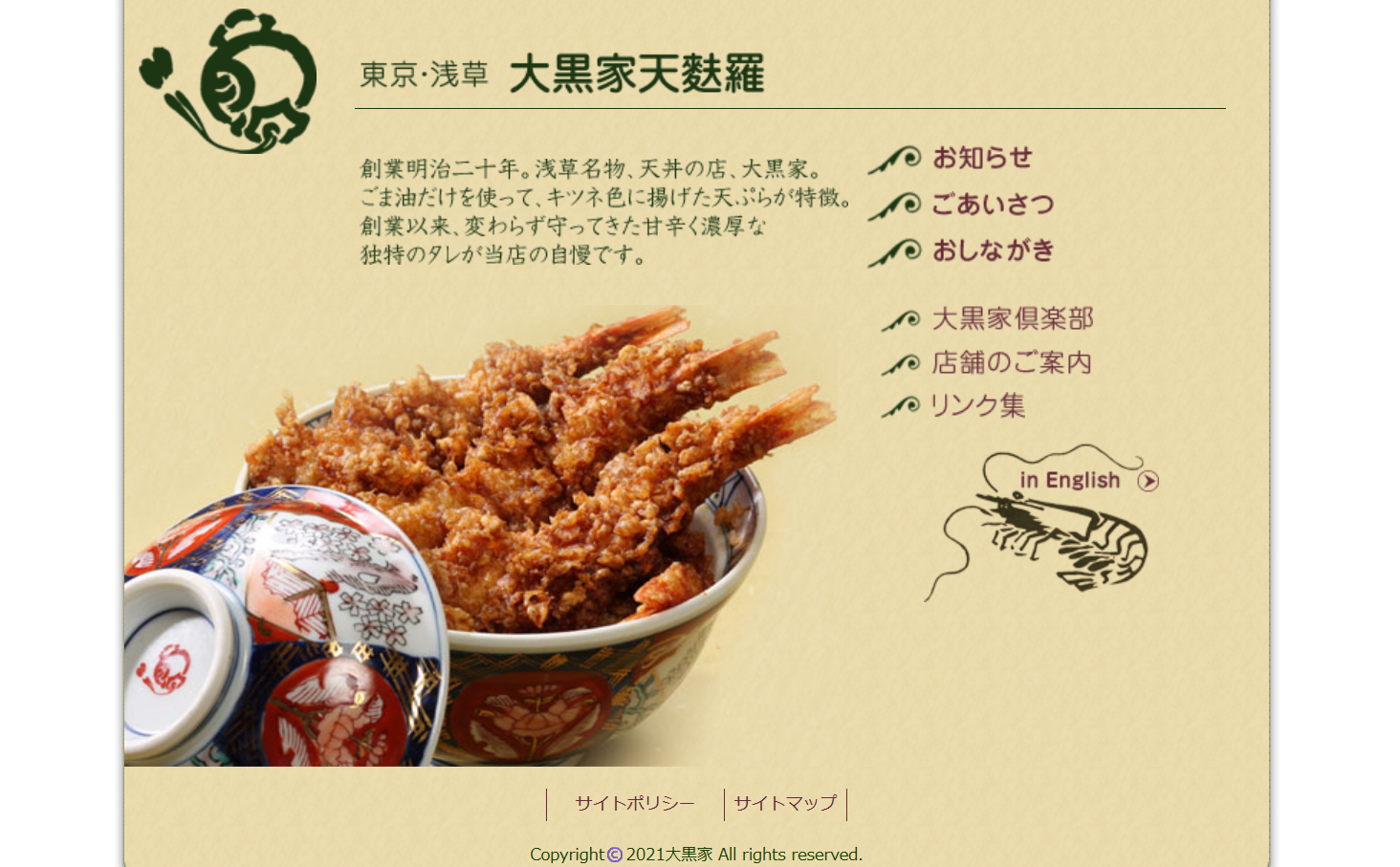
Image Source:Daikokuya Tempura
When it comes to tempura rice bowls (Tendon) in Asakusa, 「Daikokuya Tempura」 is a must-visit restaurant. Their Tendon, soaked in a rich sauce, offers a uniquely Asakusa flavor. Generous in portion, it’s a popular choice for a satisfying lunch while sightseeing.
【Google Maps】
Yoshikami
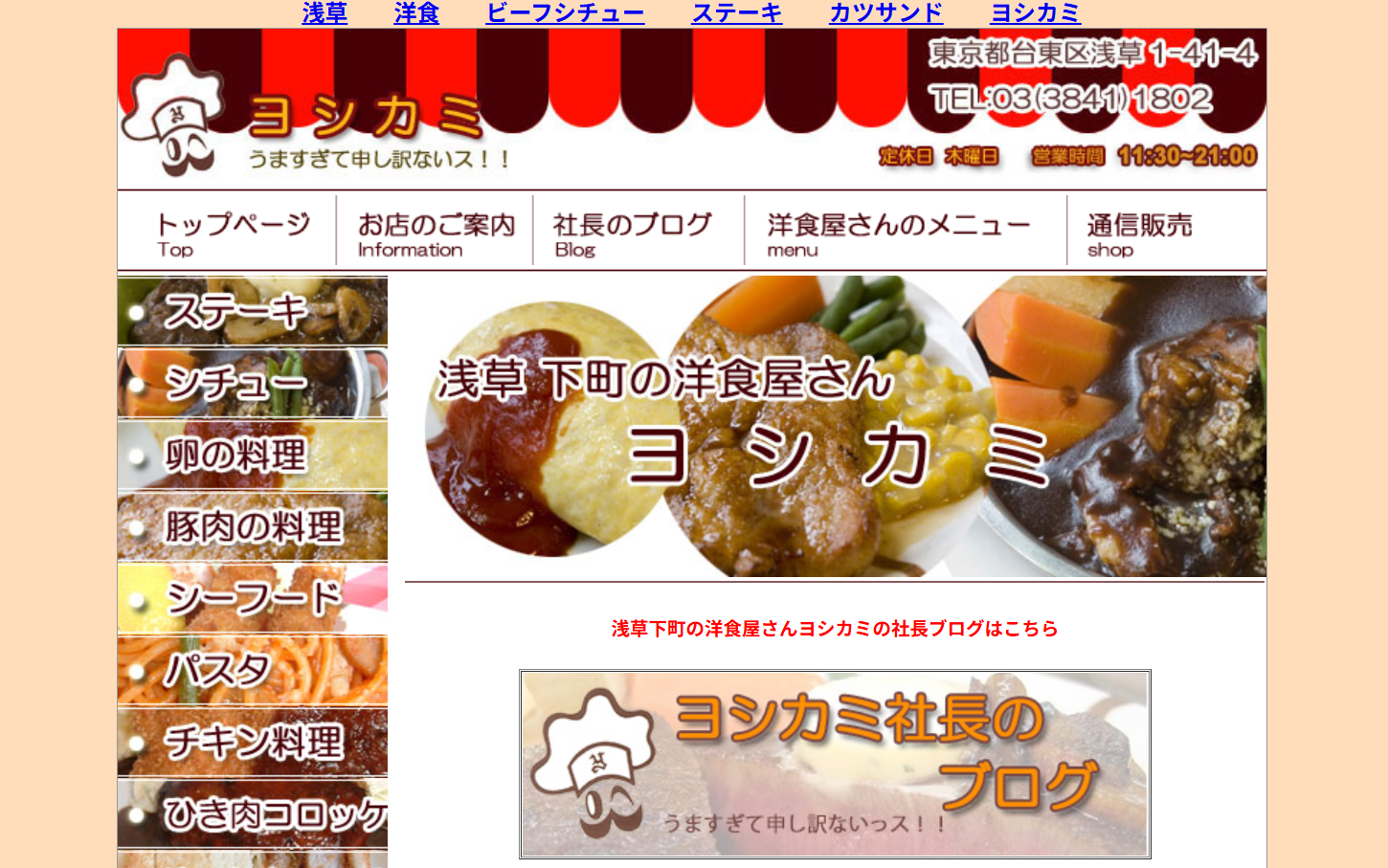
Image Source:Yoshikami
「Yoshikami」 is a well-loved Western-style restaurant in Asakusa with a long history. Its comforting dishes, like beef stew and omelet rice, offer a nostalgic taste that’s popular with both tourists and locals.
【Google Maps】
Asakusa Umezono
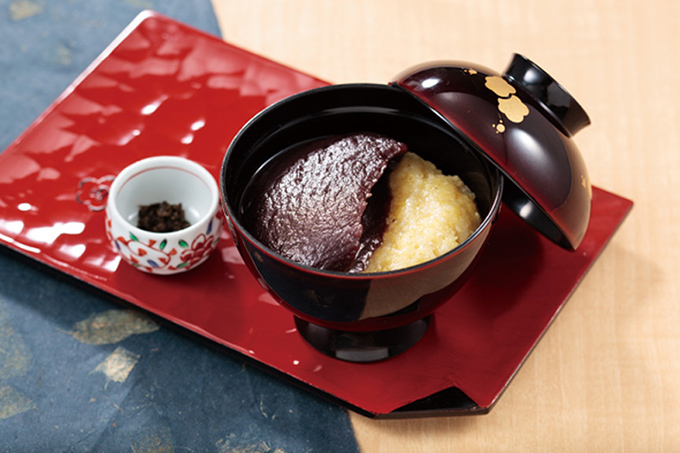
Image Source:Asakusa Umezono
Founded in 1854, 「Asakusa Umezono」 is a long-standing sweet shop in Asakusa. Its signature Anmitsu balances kanten jelly, sweet bean paste, and syrup for a simple yet deeply satisfying flavor. It’s perfect for a break during sightseeing or for anyone wanting to experience traditional Japanese sweets.The calm interior allows you to enjoy a relaxing, quintessentially Asakusa moment.
【Google Maps】
Kameju
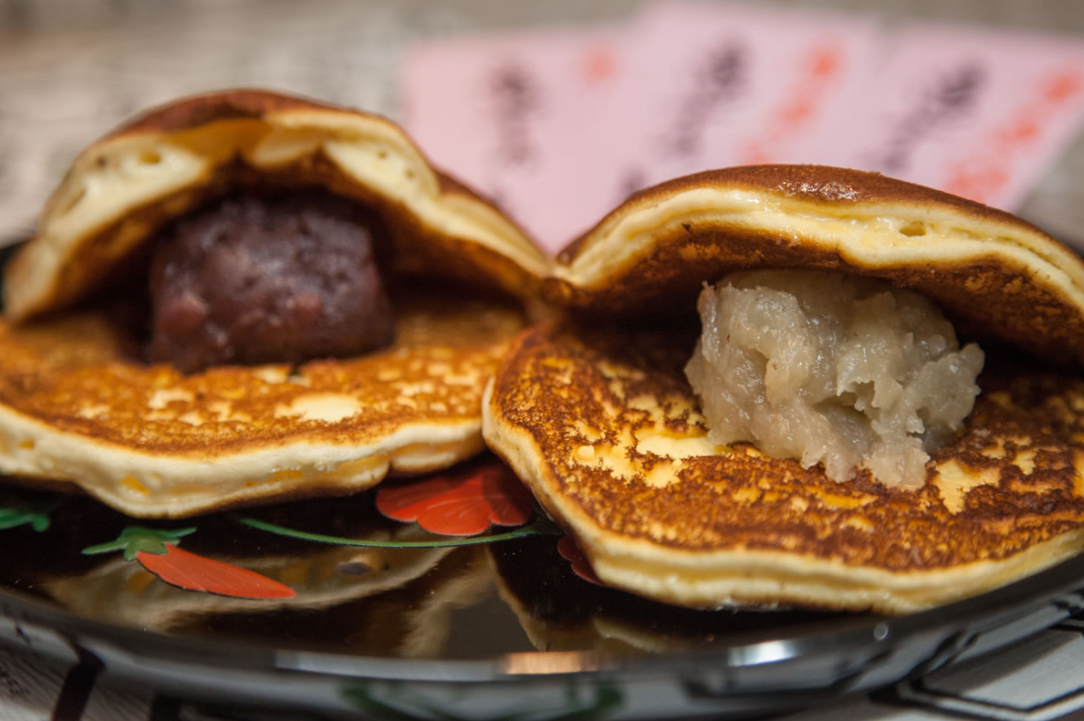
Image Source:Kameju(Asakusa Noren)
「Kameju」 is famous for its Dorayaki, a signature souvenir of Asakusa. Its fluffy pancakes and delicately sweet bean paste are highly popular, often drawing long lines. It’s perfect as a snack during your visit or as a gift to take home.
【Google Maps】
Asakusa Nakamise Kineya
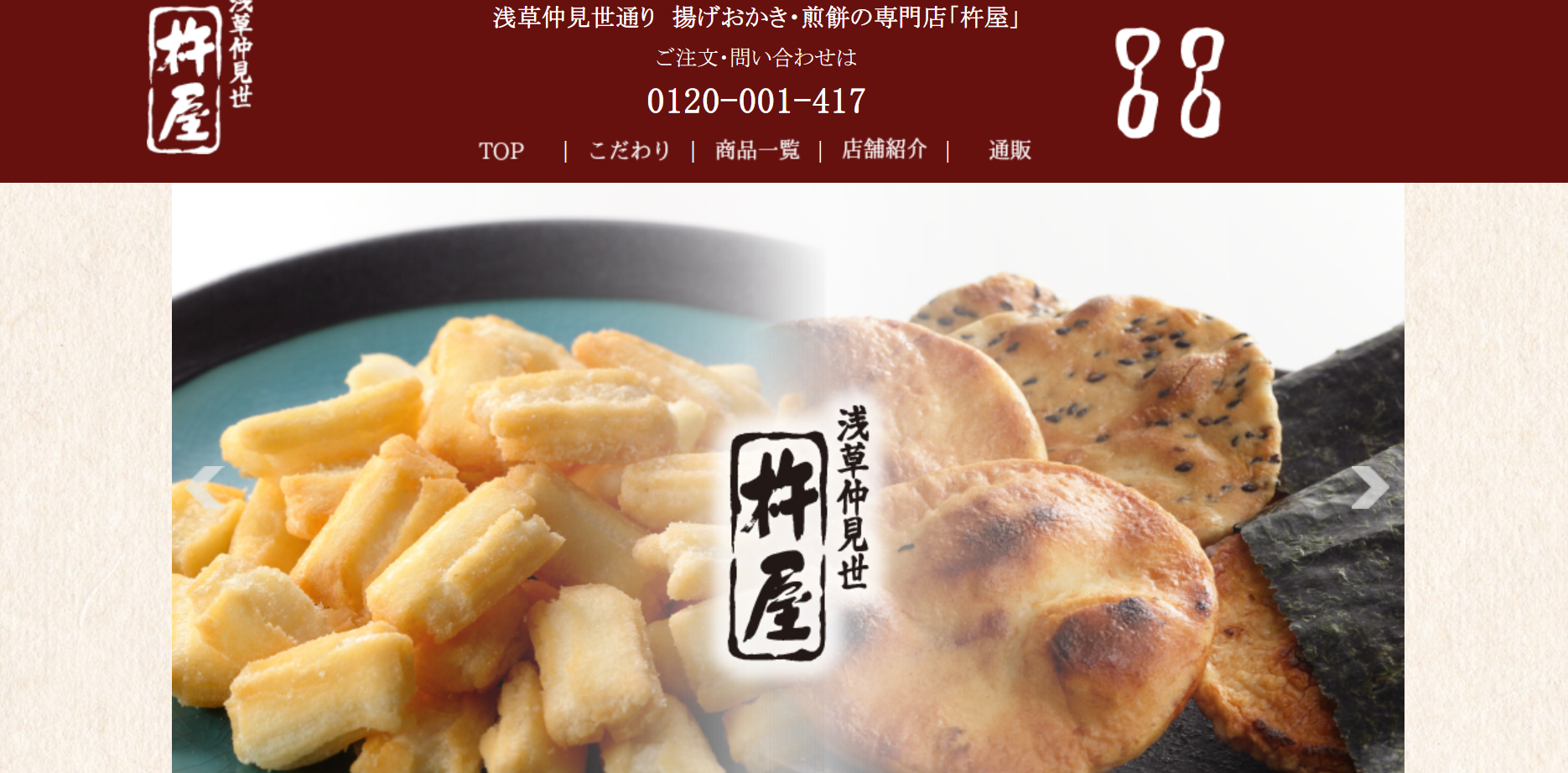
Image Source:Asakusa Nakamise Kineya
「Asakusa Nakamise Kineya」 is a long-established sweet shop located on Nakamise Shopping Street, making it a must-visit for foodies exploring Asakusa. Their specialty, Age-manju (Fried sweet buns), features a crispy exterior and a moist, sweet filling, and its convenient size makes it perfect for eating on the go. Its location near the temple makes it easy to stop by before or after your visit. A great spot to enjoy traditional Asakusa sweets with ease.
【Google Maps】
Asakusa Umaimon Azuma
Image Source:Asakusa Umaimon Azuma
「Asakusa Umaimon Azuma」 is a popular spot in the Nakamise area for casual street food. Known for its croquettes and skewers, the flavors are simple and comforting. Loved by both tourists and locals, it offers a charming downtown atmosphere. It’s perfect for a light snack or for sampling multiple Asakusa treats while exploring.
【Google Maps】
Asakusa Menchi
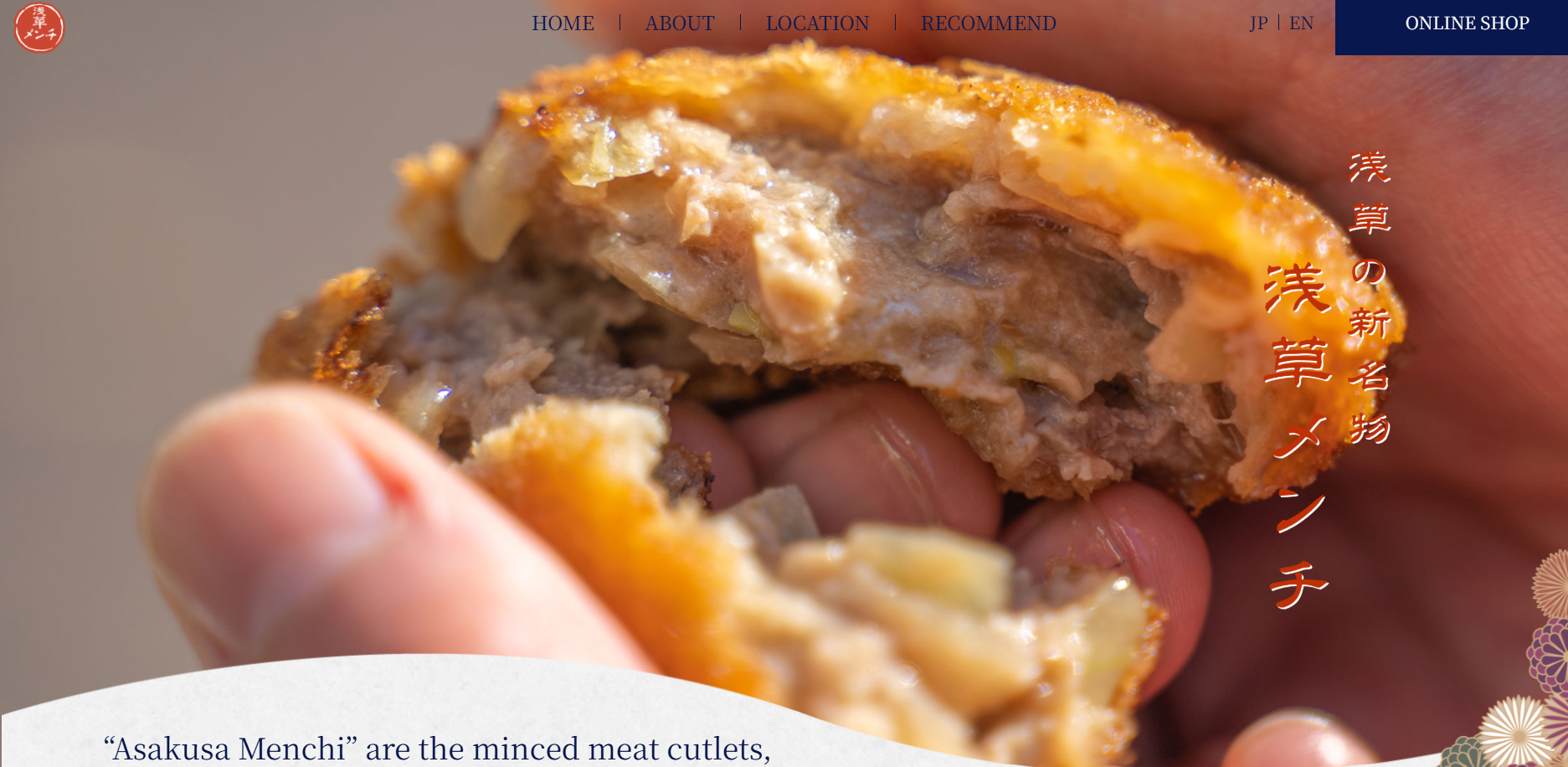
Image Source:Asakusa Menchi
「Asakusa Menchi」 is a must-try for street food lovers. Their juicy Menchi Katsu (breaded minced meat cutlet) is packed with flavor and best enjoyed fresh and hot. With its crispy coating and savory, tender interior, it’s no wonder the shop often has a line. Perfect for a satisfying snack while exploring Asakusa.
【Google Maps】
Enjoy Japanese Culture Experiences in Asakusa
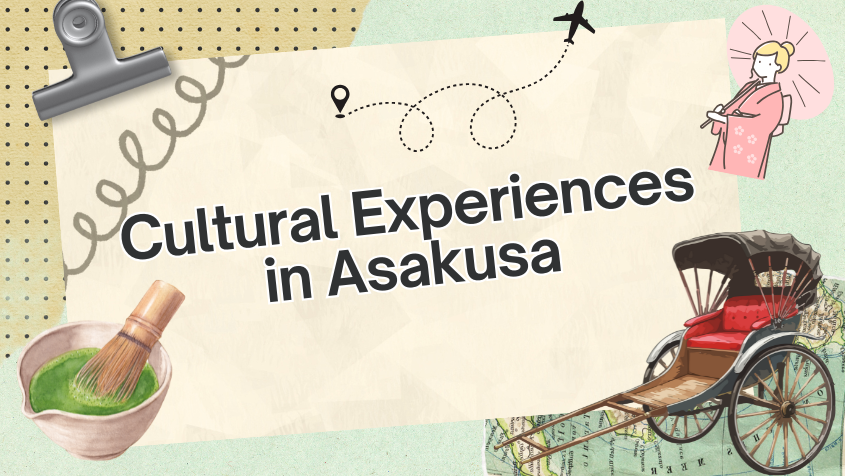
Asakusa is one of Tokyo’s rare areas where you can experience traditional Japanese culture up close. Centered around Senso-ji, the district still breathes with festivals, faith, and everyday customs cultivated over centuries. By not just visiting the sights but actually participating in experiences, you can gain a deeper appreciation of what makes Asakusa so special.
One popular experience in Asakusa is renting a kimono. Many rental shops let you easily change into traditional attire and stroll around Senso-ji and Nakamise Shopping Street. The historic streets make a perfect backdrop for photos, and staff support ensures that even first-timers can enjoy the experience with ease.
Asakusa also offers tea ceremony experiences and traditional cultural workshops. Learning how to prepare Matcha while experiencing the spirit of Japanese hospitality is popular with visitors from abroad. Seasonal events and festivals, like the Sanja Festival in May, are also key to understanding Asakusa’s culture. Many experiences can be enjoyed even in a short visit, making it easy for both short-term and long-term travelers to naturally immerse themselves in Japanese culture.
Asakusa Guide: Suggested Itineraries

Asakusa is easy to explore at your own pace. You can cover the main highlights in a short visit, or spend half a day enjoying both the temple and the riverside in a balanced way.
This section introduces three sample itineraries—3 hours, half-day, and one-day—so you can explore Asakusa at a comfortable pace. Choose the one that best fits your schedule and energy level.
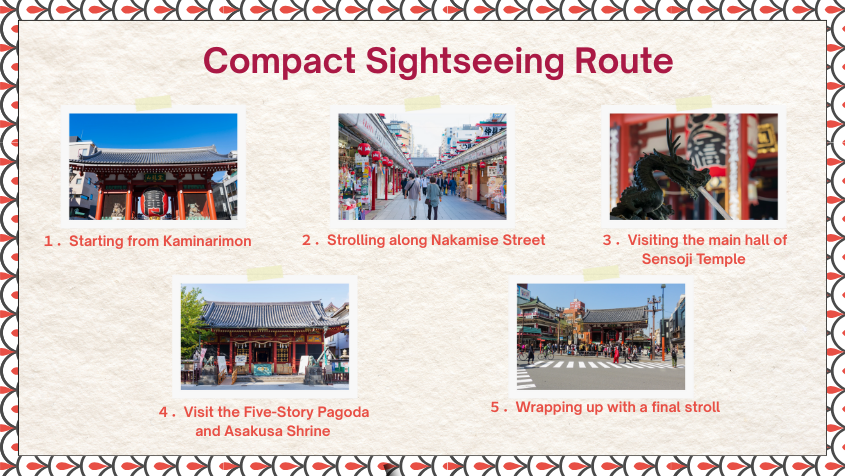
3 hours Course (Around Senso-ji)
If your time is limited, we recommend a compact route focused around Senso-ji.
Start at Kaminarimon Gate and take a commemorative photo, then head down Nakamise Shopping Street. Enjoy quick bites and browse souvenirs, but save the shops that catch your eye for the way back to make the most of your time.
After passing through Nakamise Shopping Street, enter Senso-ji grounds and pay your respects at the main hall. Take a look at the five-story pagoda and lanterns, then stroll over to Asakusa Shrine to enjoy a calmer atmosphere away from the crowds.
If you have extra time, even just viewing Hanayashiki from the outside lets you enjoy a quintessential Asakusa scene. This course is efficient, giving first-time visitors a real sense of having been to Asakusa.
Half-Day course (Senso-ji +Sumida River)
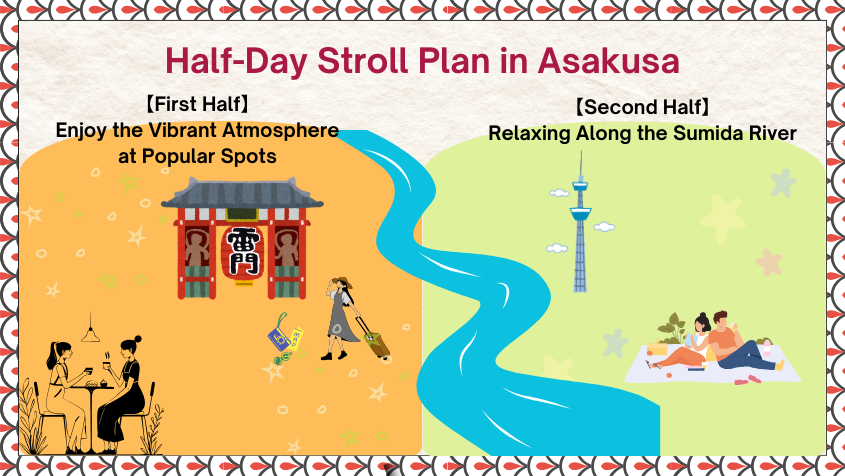
If you want to enjoy both the classic highlights and some quieter moments, a half-day course is ideal.
In the first half, follow the same route as the 3-hour course, exploring Kaminarimon, Nakamise Shopping Street, and Senso-ji. After sightseeing and street food, take a proper break around lunchtime at a café or restaurant.
After lunch, walk toward the Sumida River and stroll through Sumida Park and the riverside paths. Feeling the river breeze gives you a completely different perspective of Asakusa compared to the temple area. You can relax on benches, enjoy the views, and take your time—this unhurried pace is what makes this course so enjoyable.
This route offers a good balance of sightseeing and relaxation, making it suitable for both first-time visitors and repeat travelers.
One-Day course (Cruise/Add nearby area)
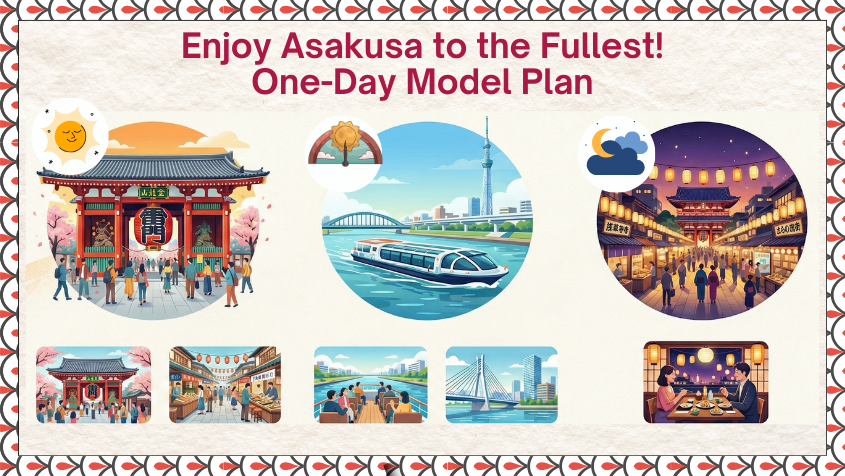
If you have more time, a One-day plan based in Asakusa that blends lively activities with relaxing moments is recommended.
In the morning, explore Kaminarimon and the Senso-ji area at a relaxed pace, covering the main sights before the crowds build. For lunch, choose a restaurant around Nakamise Shopping Street or venture into a nearby alley. Afterwards, head to the Sumida River and consider a sightseeing cruise, which lets you enjoy the views while giving your feet a rest.
In the afternoon, you can continue strolling along the river or explore nearby areas like Oshiage (toward Tokyo Skytree) or Kuramae. In the evening, return to Asakusa and enjoy dinner while taking in the beautifully lit streets, wrapping up a full day of exploring everything Asakusa has to offer.
Practical Travel Tips (Make Your Visit Smooth)

To make the most of your Asakusa visit, it helps to know a few tips. Being aware of how to avoid crowded times, how to get around on rainy days, and how to handle payments and budgeting can reduce confusion and fatigue while exploring.
This section introduces practical tips to help first-time visitors enjoy Asakusa with confidence.
Best Time to Visit
Asakusa is a popular tourist spot, and crowd levels vary throughout the day. The busiest time is usually from around 10 a.m. to 3 p.m, especially on weekends and holidays, when it can be difficult to stop along Nakamise shopping Street or near Kaminarimon.
If you want to stroll calmly or take photos, visiting early in the morning is recommended. Kaminarimon and the Senso-ji grounds are less crowded, making it easier to capture the whole temple in your shots. Evenings are also relatively calm, offering a different atmosphere from the daytime.
It’s hard to completely avoid crowds, but planning your activities by time—photos in the morning, street food and shopping in the afternoon, and a riverside walk in the evening—can make your visit much more enjoyable.
How to Enjoy Asakusa on a Rainy Day
On rainy days in Asakusa, don’t force yourself to stay outdoors. The key is to combine covered streets and indoor spots for a comfortable visit.
Nakamise Shopping Street and Shin-Nakamise are densely packed with shops, so the walking distance is short, making them relatively easy to explore even on rainy days. You can visit Senso-ji with an umbrella, but take care as the ground can get slippery and move slowly.
On heavy rain days, take more breaks in cafés or sweet shops to minimize time outdoors. Rain tends to reduce the number of tourists, making it easier to find indoor spots to relax. Deciding to 「Take it easy today」 based on the weather can actually make your visit more enjoyable.
Payment Methods and Budget Tips
In Asakusa, more shops accept cashless payments, but many small stores and street food vendors still only take cash. It’s a good idea to carry some cash for convenience. Using an IC card like Suica makes public transportation easy, with smooth access through ticket gates and transfers.
Visiting Senso-ji is free, but if you include street food, lunch, cafés, and souvenirs, budgeting a few thousand yen for a half-day visit is reasonable. To avoid overspending, it helps to set rough limits upfront—like 「this much for snacks」 and 「this much for souvenirs.」 Asakusa has many tempting spots, so having a general budget makes it easier to enjoy your visit stress-free.
Where to Stay in Asakusa for a Longer Trip
Asakusa isn’t just a popular sightseeing spot—it also has a convenient and comfortable environment, making it ideal for long-term stay. With supermarkets, restaurants, and drugstores all within walking distance, plus excellent access to central Tokyo, it’s easy to stay comfortably for several days or even weeks.
For a comfortable long-term stay in Asakusa, choosing the 「Right place to stay」is key. Picking accommodation that matches your style and purpose can make your visit much more enjoyable.
Serviced Apartments vs Hotels
For short stays, hotels are convenient, but for longer visits, Serviced Apartments have clear advantages. They come equipped with kitchens, washing machines, and other home-like amenities, allowing you to live more comfortably. Rooms are generally more spacious, making it easy to separate work and relaxation time, which is ideal for workations or family stays.
Hotels offer thorough cleaning and front desk services, but daily life can be a bit limited. For those who want to “live like a local” in Asakusa, Serviced Apartments are often the better choice.
Find Your Ideal Stay in Asakusa with Extended Stay Finder

Image Source:Extended Stay Finder
For those considering a long-term stay in Asakusa, we recommend using「Extended Stay Finder」, a service that helps you search for Serviced Apartments and other long-stay accommodations in one place.
You can compare properties based on location, amenities, and length of stay, making it easy to find a place that suits your lifestyle. In Asakusa, where you can enjoy both sightseeing and daily life, finding a comfortable base lets you plan a more fulfilling stay in Tokyo.
FAQ
Is Asakusa recommended for first-time visitors to Tokyo?
Yes, Asakusa is highly recommended for first-time visitors to Tokyo. It has easy-to-navigate attractions like Senso-ji Temple and Nakamise Street, all within walking distance, so it’s hard to get lost. The traditional downtown streets also give a strong sense of「Japanese
culture」making it popular among first-time travelers.
How much time do I need for Senso-ji and Nakamise Shopping Street?
If you want to fully enjoy Senso-ji and Nakamise Shopping Street, plan for about 1–2 hours. A quick visit to just the temple can take around 30 minutes, but if you want to try street food or shop along Nakamise area, it’s best to allow extra time. If you want to enjoy taking photos, it’s a good idea to allow a bit more time.
What are the must-try local specialties around Nakamise?
Around Nakamise Shopping Street, popular street foods include Age-manju (Fried sweet buns), Ningyo-yaki (Small filled cakes), and Menchi-katsu (Fried minced meat patties). Favorites like Asakusa Nakamise Kineya’s age-manju and Asakusa Menchi are especially popular. Even with a short visit, you can enjoy authentic Asakusa flavors.
Where should I stay if I’m staying for more than a week?
For stays longer than a week, Serviced Apartments or long-term accommodations are recommended over hotels. With kitchens and laundry facilities, you can maintain your daily routine comfortably. When searching for long-term stays in Asakusa, using a service like
「Extended Stay Finder」 makes it easy to compare properties.
Summary
Asakusa is a vibrant area where you can enjoy classic sights like Senso-ji and Nakamise Shopping Street, as well as riverside walks along the Sumida River, Hanayashiki amusement park, and historic local cuisine—offering a wide taste of Tokyo’s charm. The area is easy to explore on foot, making it perfect for short visits or a full day of sightseeing, which is why it’s so popular with travelers.
Asakusa isn’t just a tourist area—it also has all the facilities you need for daily life, making it ideal for a 「Live like a local」 style stay. For longer visits, choosing a serviced apartment instead of a hotel allows for a more comfortable and flexible Tokyo experience.
When looking for a place to stay in Asakusa, using「Extended Stay Finder」 is recommended, as it lets you compare Serviced Apartments and other long-term options. Base yourself in Asakusa to enjoy both sightseeing and everyday life, and plan a Tokyo stay that suits your style.